
- Thinking Architecturally in Artificial Intelligence
Artificial intelligence may be working; but is it truly being managed?
I am addressing AI governance as an architectural whole from an ISO/IEC 42001 perspective.
Thinking Architecture in Artificial Intelligence
Some years tell us about the past, while others make us think about how to rebuild.
In this era of rapid integration of artificial intelligence into organizations, the real issue is not the technology itself; it is the governance approach with which it is addressed, how decisions are made, and how these decisions are made sustainable within an architectural framework.
Frameworks like ISO/IEC 42001 are transforming artificial intelligence from a purely technical application into a matter of corporate architecture and management systems. This approach, particularly developed by @ISO and communities working on artificial intelligence standards, offers a strong reference for understanding the risk, responsibility, and traceability issues we encounter in the field.
In this bulletin, as we enter 2026; Drawing on experience gained from years of training in configuration management, project management, PM², artificial intelligence, and digital literacy, I offer an architectural perspective on AI systems from an ISO/IEC 42001 standpoint.
1. Foundation | Why is AI an Architectural Issue?
AI is "working" in many organizations today. However, its operation doesn't mean it's being managed. How the model is trained, what data it's based on, and how its outputs are used by whom are often unclear. At this point, AI ceases to be a technical solution and becomes an organizational architectural issue.
2. Supporting System | What Does ISO/IEC 42001 Bring?
ISO/IEC 42001 treats AI not as a single application, but as a management system with policies, roles, risks, and records. This approach moves the use of AI from individual initiatives to the realm of corporate responsibility. The standard doesn't just say "we implemented it"; it mandates justification and monitoring of decisions.
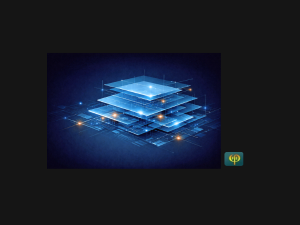
3. Layer Plans | How to Establish Governance Layers?
Decision Layer: Which AI use cases are acceptable? Who approves?
Data & Model Layer: Can versions, assumptions, and changes be tracked?
Human & Competency Layer: Are outputs interpreted correctly, are limitations known?
When these layers don't work together, even technically sound systems begin to generate organizational risk.
4. Connection Points | Experience Filtered from Training
The common truth I've observed in configuration management, project management (PM²), AI and digital literacy training, and Erasmus+ projects is this:
AI governance is not the subject of a single discipline; it's the result of an architecture established across the entire organization.
5. Superstructure | What's Changing as We Enter 2026?
The expectation is now clear:
Not only the results of artificial intelligence, but also the decision-making processes leading to those results are being questioned.
The organizations that will make a difference will not be those that use AI early; they will be those that implement governance early.
6. Exit | A Question for the Reader
Is artificial intelligence truly managed in your organization,
or are AI applications proliferating without shared governance?
Sharing your experiences and questions in the comments will help us deepen this architectural discussion together.
What's on this Month?
AI Governance Architecture | ISO/IEC 42001 Focused
Applied studies addressing AI use from the perspectives of governance, risk, and responsibility.
Configuration & Project Management Trainings (Including PM²)
Programs for different sectors focusing on traceability and decision-making structures.
Digital Literacy & Erasmus+ Studies
Approaches centered on the human factor, based on transparency and accountability.
- Contact
Our expertise in our relationships and in our training is our ilk. If you get in touch with us, we can decide together how we can help you and how we can contribute. You can contact us for your immediate needs or your long-term goals.
Address
Ankara / TURKEY